
Long-term incentive
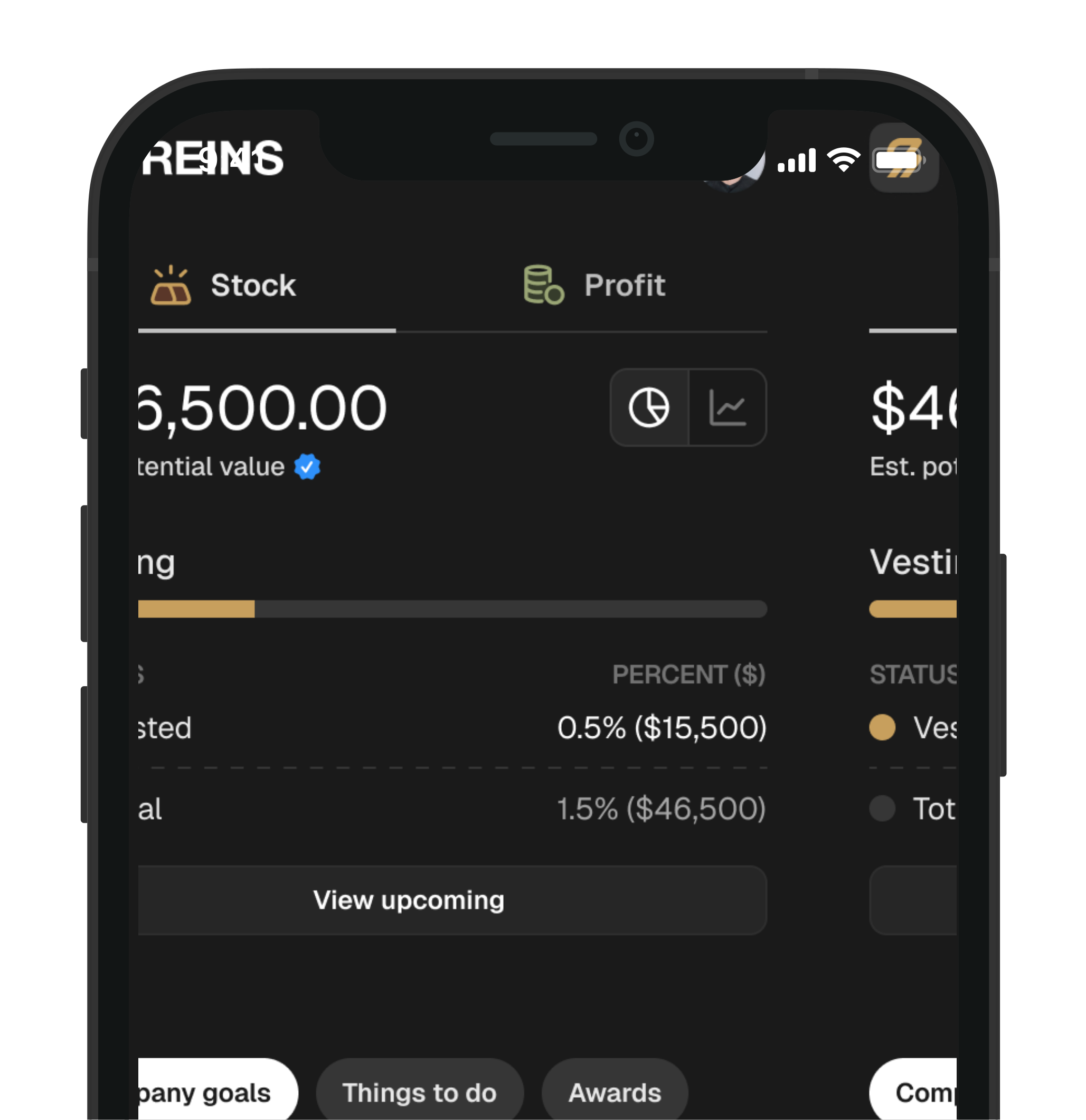
A share of what the business is worth, paid when it sells or when a milestone in the plan fires. Phantom stock, in the usual language.
Reins helps owners in the trades reward the people who grow the business, without a lawyer, a restructure or a single share leaving your hands.
No equity transfer. You keep every share and every vote.
The legal framework and the plan documents are included.
Start with one person. There is no company-wide commitment.


The leader in alternative equity solutions for the trades







and the networks behind them




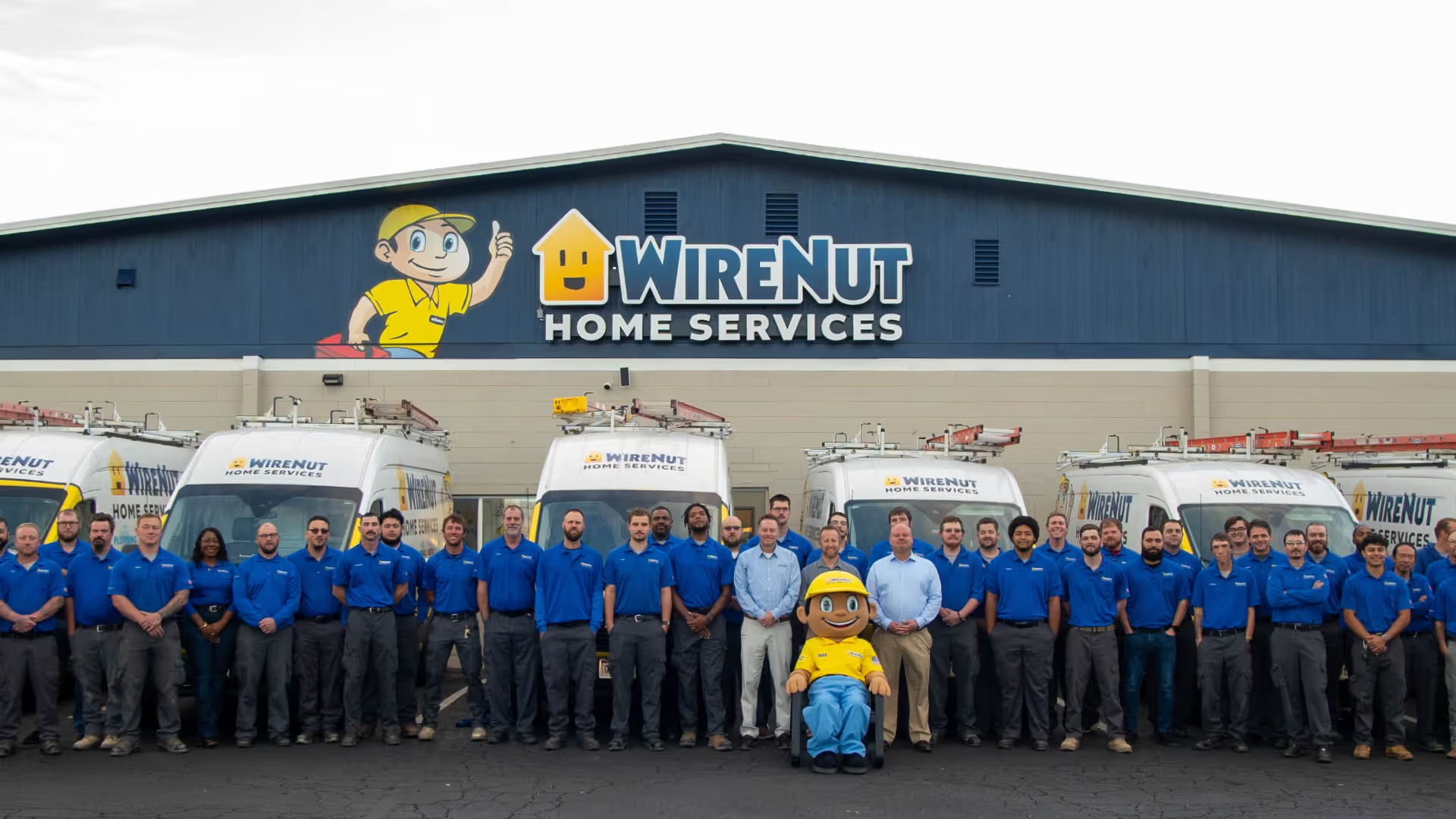
I went snowboarding with my son. I didn't have a single concern or interruption. That's the kind of business I want to build.

Reins does an awesome job of taking a difficult subject and making it easy.

Absolutely, Reins has met our expectations. It was a breeze. We really felt like it was a great experience and very easy to get it going.
Every owner who has built something worth keeping arrives at the same wall. The people who made it work want a reason to stay, and the only tool anyone offers you is equity, which costs you control you spent twenty years earning.
So most owners do nothing. They pay more, they promote, they hope. And then the person who knew how everything worked leaves for a company that offered them a stake.
There is a third option, and it is not new. Large companies have used it for decades. It has just never been built for a plumbing company with twelve trucks.
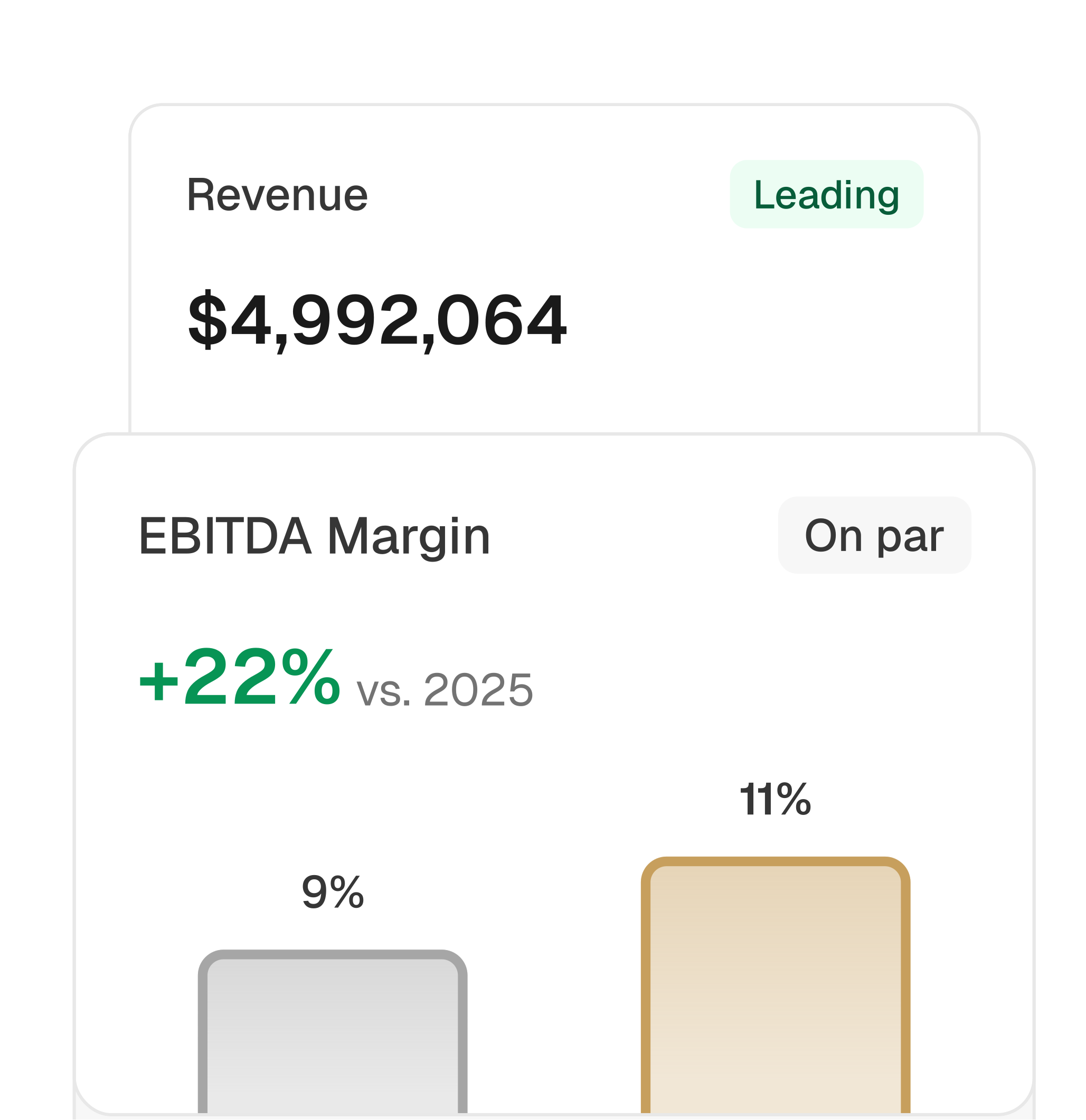
Companies using incentives are more profitable
+20%
Median increase in company value after 24 months
+39%
Retention rate of all employees with Reins
+87%
Two instruments, both of which pay out like equity and leave your cap table alone.
A share of what the business is worth, paid when it sells or when a milestone in the plan fires. Phantom stock, in the usual language.
A share of the profit against a pool you set before the year starts, on the schedule you choose. Profit sharing, in the usual language.
How it works
How it compares
No. There are no new shareholders, no board seats and no dilution. The upside is shared; the ownership is not, and the business is still yours to sell.
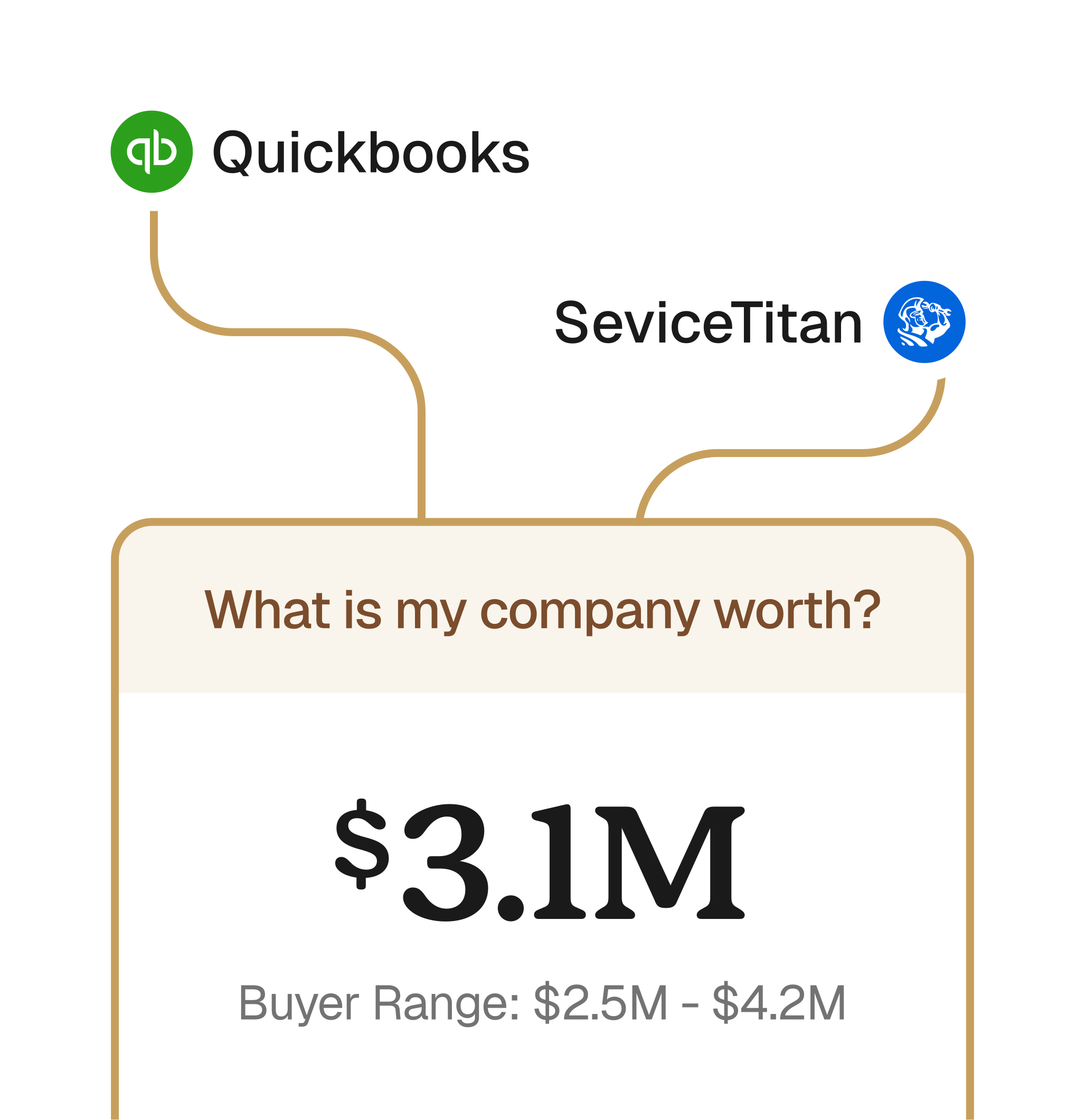
The valuation comes from your accounting data in the first week. Designing the plan and papering the first grants is usually two to three weeks after that.
The plan is written for that case, because it is the case that matters most. Payout terms on a sale are declared up front rather than negotiated when the offer arrives.
Multi-year vesting with the triggers written in, so leaving early forfeits what has not vested. That is the whole reason it changes behaviour.
The framework and the documents are included. Most owners have their own attorney read them, and we are building a network of attorneys who already know this instrument.
We'll help you get there. Start with what it is worth today.